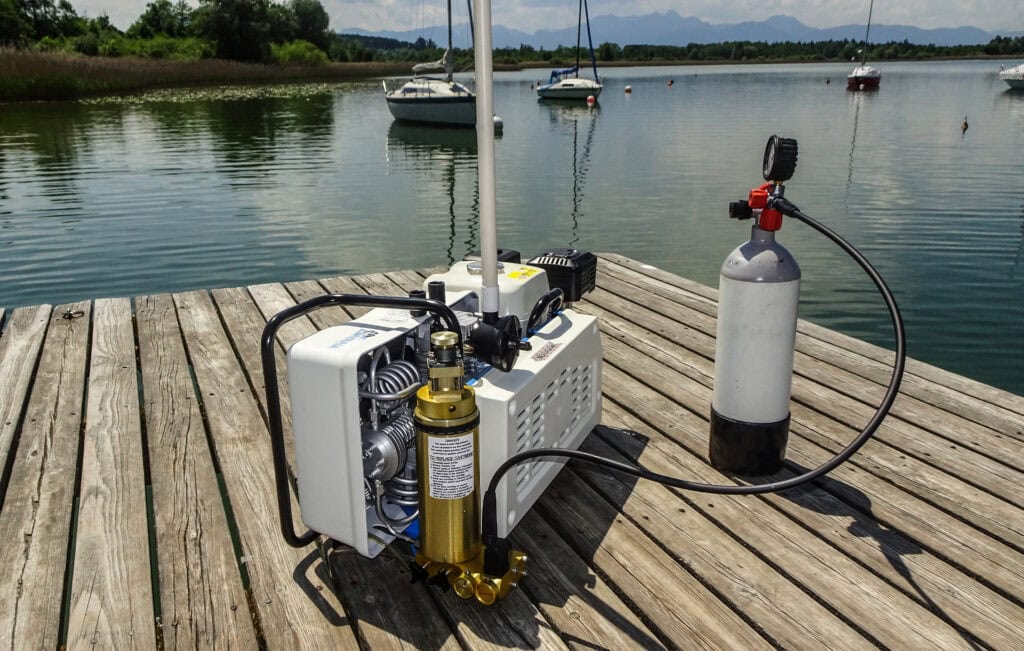



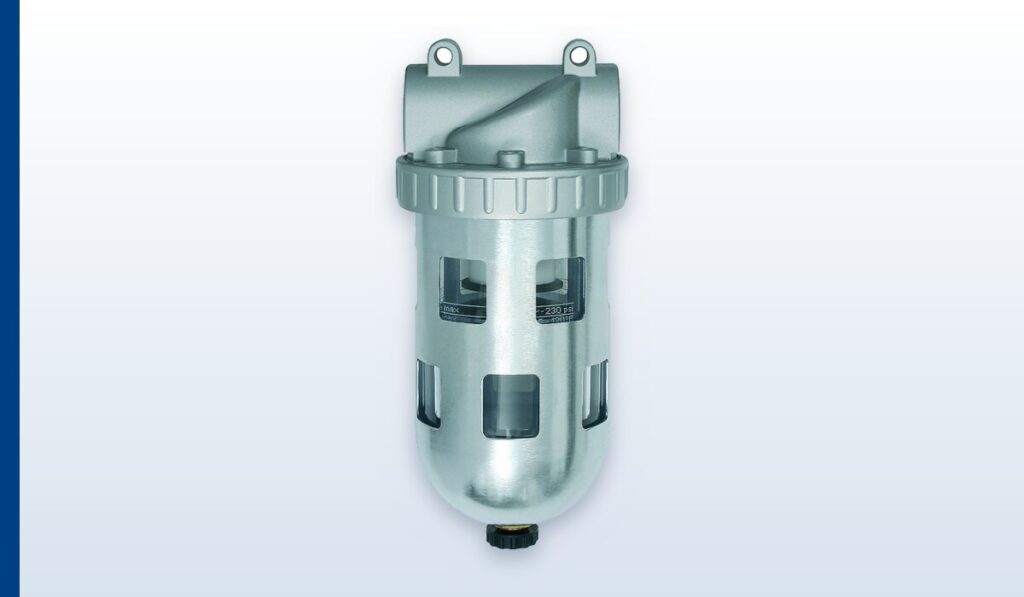
A condensate drain removes the water that is generated when air is compressed in the compressor – even before the air proceeds to the drying and filtering stages. It is therefore the first stage of air treatment in any breathing air or compressed air compressor.
How a steam trap works
When compressing air, it heats up, and during the subsequent cooling process, the moisture it contains condenses out as water. The condensate separator separates this condensate before the air is transported further – without this step, water would damage the downstream filter stages, such as the molecular sieve, unnecessarily burden.
Impact on air quality
Unseparated moisture endangers compliance with DIN EN 12021:2014 and can cause cylinders and valves to corrode. IDE provides suitable Condensate trap direkt im Sortiment. Welche Grenzwerte für Atemluft nach DIN EN 12021 gelten, zeigt unser Ratgeber.
Frequently Asked Questions
What does a condensate trap do?
It separates the water condensate produced during compression from the compressed air before it flows into the subsequent filter stages.
Why is condensate separation important for breathing air?
Unseparated moisture burdens subsequent filter stages and can impair air quality in accordance with DIN EN 12021:2014.
Is a condensate trap included in all IDE compressors?
Condensate separation is part of the treatment chain in IDE systems – we would be happy to advise you on the exact design of your system.
Questions about the appropriate design for your compressor? We are happy to advise you.
More contributions:
Hydrotests und Druckbehälterprüfungen bis 1000 bar
Learn more to Hydrotests und Druckbehälterprüfungen bis 1000 bar
Atemluft-Füllanlage betreiben: Pflichten nach TRBS 3145 und TRGS 745, Grenzwerte nach DIN EN 12021
Learn more to Atemluft-Füllanlage betreiben: Pflichten nach TRBS 3145 und TRGS 745, Grenzwerte nach DIN EN 12021